Skip to content
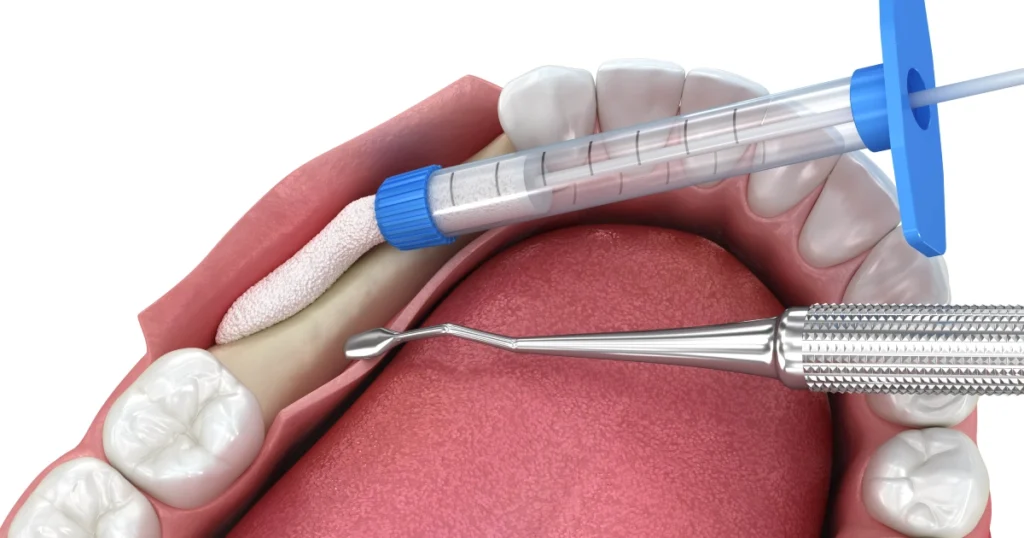
Table of Contents
Getting ready for dental implants often comes with an unexpected twist: the dentist mentions a bone graft first. It’s a common scenario that catches many people off guard. After all, the goal was to replace a missing tooth, not to talk about bone surgery. But here’s the thing – the jawbone needs to be strong enough to hold an implant, just like a house needs a solid foundation before building on it.
Missing teeth for a while, or losing a tooth due to injury or gum disease, often leads to jawbone shrinkage. That’s where dental bone grafting comes in. This procedure rebuilds the lost bone, giving implants the best chance of success. At Salathe Dental in West Linn, OR, the team helps patients understand why this extra step matters and what it means for smile restoration.
Let’s walk through how bone grafting works, why it’s often necessary for dental implant preparation, and what to expect from start to finish.
Understanding Dental Bone Grafting and Its Importance
Bone grafting is one of the dental surgery procedures that helps restore areas of the jawbone that have weakened or deteriorated. Whether due to a missing tooth, gum disease, or injury, bone loss in the jaw can make it difficult or even impossible to place a dental implant without additional support.
During a bone graft for dental implants, a dental specialist adds grafting material to areas where the bone is too thin or soft. Over time, your body naturally forms new bone around this material, gradually forming a strong base for an implant to be securely placed.
If you’ve been told you don’t have enough bone for an implant, this doesn’t mean implants are off the table. It may simply mean you need dental implant preparation with a graft before moving forward.
How Bone Grafting Supports Long-Term Oral Health
Bone grafting does more than prepare the jaw for implants; it helps protect your overall oral structure. Without strong jaw support, even nearby teeth can shift or become unstable. By restoring bone volume, grafting plays a key role in preserving bite alignment, jaw function, and facial symmetry.
Here are some common reasons people need bone grafts:
- To prep for dental implants in areas with bone loss
- After tooth extractions to maintain bone volume
- Following trauma or injury that affects the jaw
- To treat bone loss from periodontal disease
- To correct developmental jaw issues
Bone grafting is especially useful when combined with dental implant placement, ensuring your implant has the support it needs to bond with your natural bone over time.
Key Benefits of Dental Bone Grafting
Let’s take a closer look at why bone grafting is so important for successful implants and long-term dental health:
- Creates a strong foundation for implants: Implants need healthy bone to anchor securely. Grafting builds up that support system.
- Improves implant success rates: Patients who undergo grafting before implantation often achieve better results and fewer complications.
- Prevents bone shrinkage: After losing a tooth, the jawbone can start to recede. Grafting stops that process and maintains facial volume.
- Supports long-term oral function: A stronger jaw improves chewing, speaking, and overall mouth stability.
- Enhances facial symmetry: Jawbone loss can alter your facial appearance. Grafting helps maintain a natural, youthful appearance.
For many, grafting is a small step that leads to big results, especially when paired with implants.
Is Dental Bone Grafting Right for You?
If you’re planning for dental implants or have been told you have bone loss, you may be wondering if a graft is necessary. While every case is different, here’s a general idea of who might benefit:
Ideal candidates may include:
- Adults with missing teeth for several months or years
- Patients with thin or soft jawbones due to aging or periodontal disease
- Individuals who have delayed implant placement after extractions
- Anyone who’s experienced jaw trauma or injury
Bone grafting isn’t about doing more than needed; it’s about making sure your mouth is truly ready for the next step. A consultation can help determine whether a graft is essential for your implant bone graft success. For more information or to schedule your appointment, contact us at Salathe Dental.
What to Expect from the Bone Graft Procedure
Knowing what the process looks like can help ease any nerves. Here’s a basic breakdown of what you can expect before, during, and after the procedure.
Before Treatment
You’ll meet with your provider for an evaluation. This typically includes:
- Digital imaging or scans to assess jawbone density
- A review of your dental history and implant goals
- A personalized treatment plan outlining timing and materials
Treatment Day
The bone graft procedure is typically done under local anesthesia. For more complex cases or if you’re nervous, sedation options may be available.
What happens:
- Your dentist places the bone graft material into the targeted area of the jaw
- The material acts as a framework for new bone growth
- The area is secured with stitches to begin healing
The grafting material might come from your own body (autograft), a donor (allograft), or synthetic sources. Your provider will explain the options.
Recovery Timeline
Bone graft recovery varies, but most patients experience:
- Mild discomfort or swelling for 3–5 days
- Gradual healing over 3 to 6 months
- Follow-up visits to monitor bone integration
While you won’t see results overnight, the graft works beneath the surface to build strength for future implant placement.
FAQs About Dental Bone Grafting
How painful is a bone graft?
Most patients report minimal discomfort. Local anesthesia prevents pain during the procedure, and post-op soreness is manageable with rest and medication.
Can I get an implant right after a graft?
In some cases, yes. But many people need to wait several months for the graft to fully integrate. Your provider will let you know what’s best based on your situation.
What should I eat during recovery?
Stick to soft foods like smoothies, mashed potatoes, and yogurt for the first few days. Avoid anything crunchy or spicy while the area heals.
Build a Strong Foundation for Your Smile
Missing teeth don’t just impact your appearance; they affect your entire oral health. If you’ve been told you aren’t a candidate for dental implants due to bone loss, Dental Bone Grafting in West Linn, OR, could be the solution you’ve been looking for.
By restoring the jaw’s strength and structure, grafting helps set the stage for long-term dental success. Whether you’re planning for implants or addressing bone loss from another condition, expert care in West Linn makes all the difference.
Restore your smile with expert dental implant care, ensuring a natural look and lasting functionality for your teeth.