Skip to content

Table of Contents
If you have felt jaw pain while chewing, heard a clicking sound near your ear, or woken up with a sore face, you might wonder what is happening. TMJ disorder is more common than most people think, and it often begins with mild symptoms that are easy to overlook.
Understanding what TMJ disorder is and how it develops can help you recognize when symptoms go beyond occasional discomfort. At Salathe Dental, we provide professional TMJ pain management to help address the root cause and support long-term relief.
What Is TMJ Disorder?
The temporomandibular joint, or TMJ, connects your lower jaw to your skull. You use it all the time when you speak, chew, yawn, or swallow. It is one of the busiest joints in your body.
TMJ disorder happens when this joint or the nearby muscles get strained, inflamed, or out of alignment. This can change how your jaw moves and how comfortable it feels.
It helps to know the difference between occasional jaw soreness and a real disorder. Most people feel mild pain after chewing tough foods or clenching their jaw during stress. TMJ disorder means you have ongoing pain, limited movement, or changes in how your jaw works that do not go away on their own.
If not treated, joint strain can cause more pain and bigger problems with how your jaw works.
What Causes TMJ Disorder
TMJ disorder usually does not have just one cause. It often develops from several factors that put stress on the joint and nearby muscles.
Common causes include:
- Teeth grinding or clenching, especially during sleep. TMJ pain from teeth grinding is one of the most frequent concerns we see.
- Bite misalignment or uneven tooth wear, which changes how your upper and lower teeth fit together.
- Jaw injury or trauma from accidents or a hard impact.
- Chronic stress that leads to muscle tension in the jaw, face, and neck. This is why stress management for TMJ disorder is often part of a broader care plan.
You may also hear the term TMJ flare-up causes, which refers to triggers that temporarily worsen symptoms. These can include high stress periods, chewing gum frequently, or sleeping in positions that strain the jaw. Understanding the cause is a key step in choosing the right TMJ syndrome treatment.
Common Symptoms Of TMJ Disorder
TMJ disorder can show up in ways that are not always obvious. Some patients assume they have sinus problems or migraines before realizing the jaw joint is involved.
Common symptoms include:
- Jaw pain or tenderness near the ear
- Clicking, popping, or grinding sounds when opening or closing the mouth
- Headaches, facial pain, or neck tension
- Limited jaw movement or episodes where the jaw feels stuck
The pain can be dull and steady or sharp during certain movements. Some people feel it only when chewing, while others have tension all day. If you have more than one of these symptoms often, it is a good idea to have your jaw checked.
Early Warning Signs You Should Not Ignore
TMJ disorder often begins with mild signs. Finding it early can help prevent bigger problems.
Early warning signs may include:
- Waking up with jaw soreness in the morning
- Increased tooth sensitivity from grinding
- Frequent tension headaches without a clear cause
- A feeling that your bite has shifted or that your teeth no longer fit together the same way
It is easy to ignore these signs, especially if they do not happen all the time. But if symptoms keep coming back, it means your jaw joint and muscles are under stress. Getting checked early can help you avoid long-term joint damage and ongoing pain.
How TMJ Disorder Is Diagnosed
At Salathe Dental, we start diagnosing TMJ disorder with a careful clinical exam. We want to see how your jaw moves and what might be causing your symptoms.
A typical assessment may include:
- Examining jaw movement and bite alignment
- Reviewing your symptom history and identifying pain patterns
- Checking for muscle tenderness and joint sounds
- Determining if imaging is needed to evaluate the joint structure
This process helps us find out if your symptoms are from joint problems, muscle tension, grinding, or a mix of these. Getting the right diagnosis is important before we suggest any non-surgical TMJ treatment.
Why Early Evaluation Matters
It can be tempting to wait and see if jaw discomfort improves on its own. In some cases, mild symptoms may settle. But persistent TMJ disorder can gradually lead to more complex problems.
Early evaluation helps:
- Reduce the risk of long-term joint damage
- Interrupt chronic pain patterns before they become ingrained
- Protect teeth from excessive wear caused by clenching or grinding
- Support healthy jaw function for speaking and eating
When your jaw joint is always under stress, the nearby muscles try to help, which can lead to more tension in your neck and shoulders. Taking care of the problem early can help you feel better and move more comfortably each day.
For personalized TMJ pain management, contact Salathe Dental today to schedule a consultation and start your journey to lasting jaw relief.
How TMJ Pain Management Can Help
Once TMJ disorder is identified, the focus shifts to relieving discomfort and protecting the joint. At Salathe Dental, TMJ Pain Management in West Linn, OR, emphasizes conservative and personalized care.
Treatment options may include:
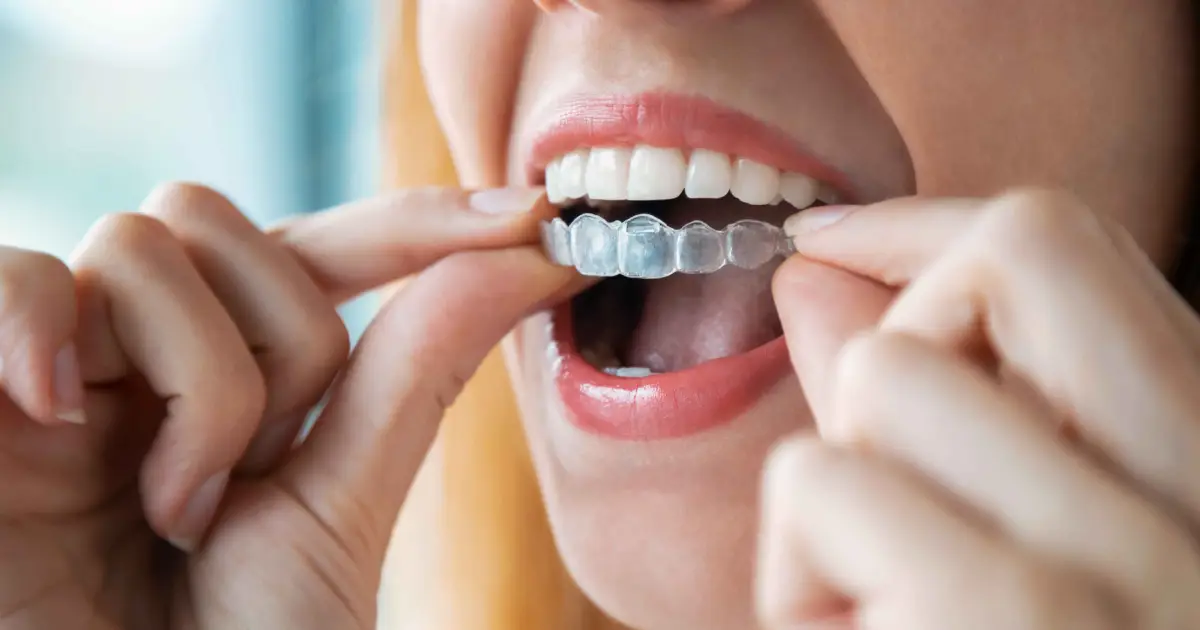
- Custom oral appliances designed to reduce clenching and grinding
- Bite stabilization approaches to improve how teeth come together
- Monitoring and adjustments to ensure the joint remains supported
In some cases, patients may ask about options such as TMJ pain injection therapy. The appropriate approach depends on your diagnosis, symptom severity, and overall oral health. The goal is to reduce strain, calm inflammation, and restore comfortable movement without unnecessary procedures.
Regular follow-up visits help make sure your treatment keeps your jaw healthy and you feeling comfortable every day.
Ready To Address Your Jaw Pain?
TMJ disorder can change how you eat, talk, and sleep. Knowing the causes, symptoms, and early warning signs is the first step to feeling better. If you have jaw pain, clicking, or frequent headaches, our team at Salathe Dental is ready to help.
Start feeling better now with care tailored to relieve your jaw pain and help you move comfortably again.